A utility trailer is one of the most dependable tools in any operation, quietly doing its job day after day with little attention. But like any piece of equipment exposed to constant stress, weather, and heavy loads, it does not last forever. The challenge is that trailers rarely fail all at once. Instead, they show subtle signs of wear long before a major issue appears. Recognizing these early warning signals can save time, money, and potentially prevent dangerous situations on the road. For many owners, the decision to replace a trailer comes too late, often after repeated repairs or a breakdown during an important job. Understanding when your trailer is reaching the end of its reliable life allows you to plan ahead rather than react under pressure. This guide explores the most important signs that it may be time to move on from your current trailer and invest in a safer, more efficient replacement.
A: If rust has weakened the frame, created holes, or reached critical weld areas, replacement is often the safer choice.
A: Sometimes, but severe or recurring frame issues often make replacement more practical than repair.
A: When multiple major systems need attention at once, the trailer may no longer be worth continued investment.
A: It can if the wear is caused by axle, suspension, or frame problems that are expensive to correct.
A: Yes, especially if it is unreliable, unsafe, or no longer fits your hauling needs well.
A: Only if the frame and running gear are still solid; decking alone does not solve deeper structural problems.
A: Structural wear, recurring repairs, and growing hauling needs are some of the most common reasons.
A: Yes, hidden rust, cracked welds, wiring failures, and worn running gear can all create safety risks.
A: Usually yes, because planned replacement is far easier than dealing with a breakdown or roadside incident.
A: Choose stronger construction, the right size and axle setup, dependable components, and features that match your real-world towing needs.
Rust Never Sleeps: When Corrosion Becomes a Structural Threat
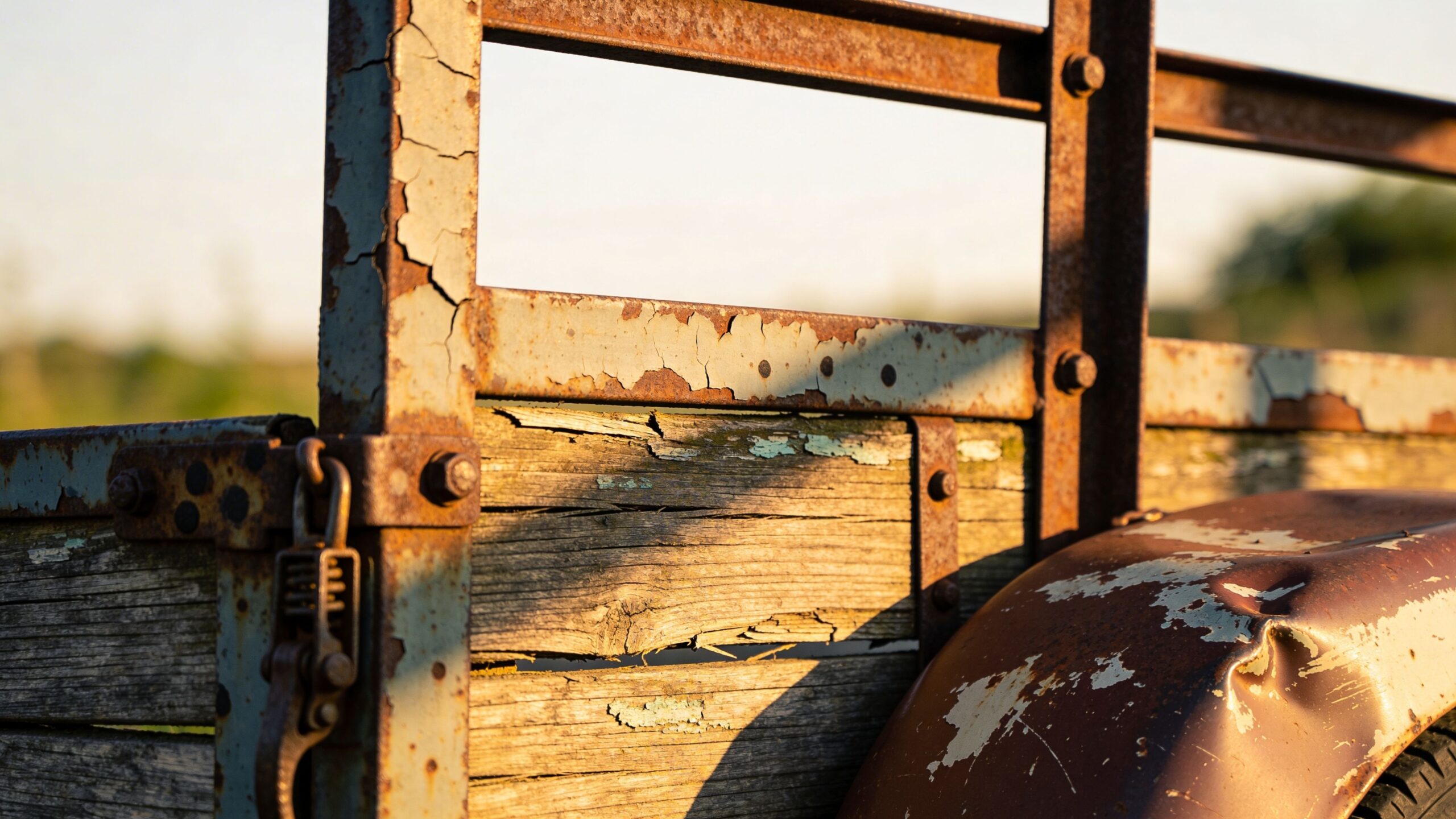
One of the most obvious signs of a deteriorating utility trailer is rust. While surface rust is common and often manageable, deeper corrosion can compromise the structural integrity of the frame. Over time, exposure to moisture, road salt, and environmental conditions can weaken steel components, leading to cracks, thinning metal, and reduced load capacity.
The danger lies in how gradually this process occurs. A trailer may look functional at a glance, but hidden rust within joints or under the deck can create weak points that fail under stress. If you notice flaking metal, bubbling paint, or visible holes forming in the frame, these are clear indicators that corrosion has progressed beyond cosmetic damage.
At this stage, repairs often become less effective and more costly. Welding patches or reinforcing sections may provide temporary relief, but they do not restore the original strength of the trailer. When corrosion reaches critical components such as the frame, axle mounts, or hitch connection, replacement becomes the safer and more practical option.
The Frame Tells the Story: Cracks, Bends, and Structural Fatigue
A utility trailer’s frame is its backbone, تحملing the full weight of both the load and the stresses of the road. Over time, repeated use can lead to structural fatigue, especially if the trailer has been consistently loaded near or beyond its capacity. Small cracks may begin to form in high-stress areas, such as weld points or corners, and these cracks can grow with each trip.
Bending is another warning sign that should not be ignored. A frame that appears slightly warped or uneven may indicate that the trailer has been overloaded or subjected to uneven weight distribution. This can affect how the trailer tracks behind your vehicle, leading to instability and increased wear on other components.
Once structural issues appear, they tend to worsen quickly. Repairs can be difficult and may not fully restore the original alignment or strength of the frame. Continuing to use a compromised trailer increases the risk of sudden failure, making replacement a critical consideration when these signs become visible.
Rolling Risks: Worn Axles, Tires, and Suspension Problems
The components that keep your trailer moving—axles, tires, and suspension—are constantly under pressure. Over time, these parts can wear down, affecting both performance and safety. Uneven tire wear, for example, may indicate alignment issues or problems with the axle. Frequent tire blowouts or the need for constant replacements are strong indicators that something deeper is wrong.
Axle damage can be particularly serious. A bent or weakened axle affects how weight is distributed across the trailer, leading to instability and increased stress on other components. Suspension systems, including leaf springs and bushings, can also degrade, resulting in a rougher ride and reduced load control.
While individual components can often be repaired or replaced, repeated issues across multiple systems suggest that the trailer as a whole is nearing the end of its lifespan. When maintenance becomes a constant cycle rather than an occasional necessity, it may be more cost-effective to invest in a new trailer.
Lights, Brakes, and Wiring: When Safety Systems Start Failing
Modern utility trailers rely on a range of safety systems to remain compliant and visible on the road. Lighting systems, including brake lights and turn signals, are essential for communication with other drivers. Wiring issues, however, are common as trailers age, especially when exposed to moisture and vibration.
If you find yourself frequently troubleshooting electrical problems, dealing with flickering lights, or replacing wiring components, it may be a sign that the system is deteriorating beyond simple repair. Corrosion within connectors and wiring harnesses can create intermittent failures that are difficult to diagnose and fix.
Braking systems, if equipped, are equally important. Worn brake components reduce stopping power and increase the risk of accidents, particularly when carrying heavy loads. When both electrical and braking systems begin to fail regularly, the overall safety of the trailer is compromised, making replacement a more reliable solution.
The Deck Dilemma: Rotting Wood and Surface Degradation
The trailer deck is where your cargo rests, and its condition directly affects both safety and usability. Many utility trailers feature wooden decks, which are durable but susceptible to rot over time. Exposure to rain, snow, and humidity can cause wood to weaken, splinter, or decay.
Soft spots in the deck are a clear warning sign. These areas may not support heavy equipment properly, increasing the risk of damage to both the trailer and the cargo. In some cases, boards may need to be replaced individually, but widespread deterioration can make full replacement more practical.
Metal decks are not immune to issues either. They can develop rust, dents, and warping that affect their ability to support loads evenly. When the deck no longer provides a stable, reliable surface, it becomes a liability rather than an asset.
Mounting Costs: When Repairs Outweigh Replacement
Every trailer requires maintenance, but there comes a point when the cost of repairs begins to outweigh the value of the trailer itself. Frequent trips to the repair shop, ongoing part replacements, and downtime all add up over time. What starts as minor fixes can quickly turn into a cycle of constant maintenance.
This financial tipping point is often one of the clearest indicators that it’s time to replace your trailer. Investing in a new trailer may seem like a significant expense upfront, but it can reduce long-term costs by eliminating recurring repairs and improving efficiency.
In addition to direct costs, there is also the hidden cost of lost productivity. A trailer that is frequently out of service disrupts operations and can lead to missed opportunities. Replacing an unreliable trailer allows you to focus on your work rather than constant repairs.
Performance Decline: When Your Trailer No Longer Feels Right
Sometimes the most telling sign that a trailer needs replacement is not a visible issue, but a change in how it performs. If your trailer feels unstable, harder to tow, or less responsive than it used to be, these subtle changes can indicate underlying problems.
You may notice increased sway at higher speeds, difficulty maintaining alignment, or unusual noises during operation. These symptoms often point to a combination of wear across multiple components, making it difficult to identify a single cause.
Trusting your instincts as an operator is important. If something feels off, it usually is. Ignoring these signs can lead to more serious issues over time, including safety risks on the road.
Moving Forward: Knowing When It’s Time for an Upgrade
Replacing a utility trailer is not just about addressing problems—it’s about upgrading to a better, more capable solution. Newer trailers often feature improved materials, better design, and enhanced safety features that can significantly improve your overall experience. Making the decision to replace your trailer at the right time allows you to avoid unexpected failures and maintain a high level of reliability. It also provides an opportunity to reassess your needs and choose a trailer that better fits your current workload and future goals. In the end, a utility trailer should be a source of confidence, not concern. By recognizing the signs of wear and understanding when replacement is the best option, you can ensure that your equipment continues to support your work effectively. The road ahead is smoother when you’re towing with equipment you can trust.